

UFORCE, a London-based company founded by Ukrainians, is looking to make drones in America.
Listen to this article
0:00
Learn more. This feature uses an automated voice, which may result in occasional errors in pronunciation, tone, or sentiment.
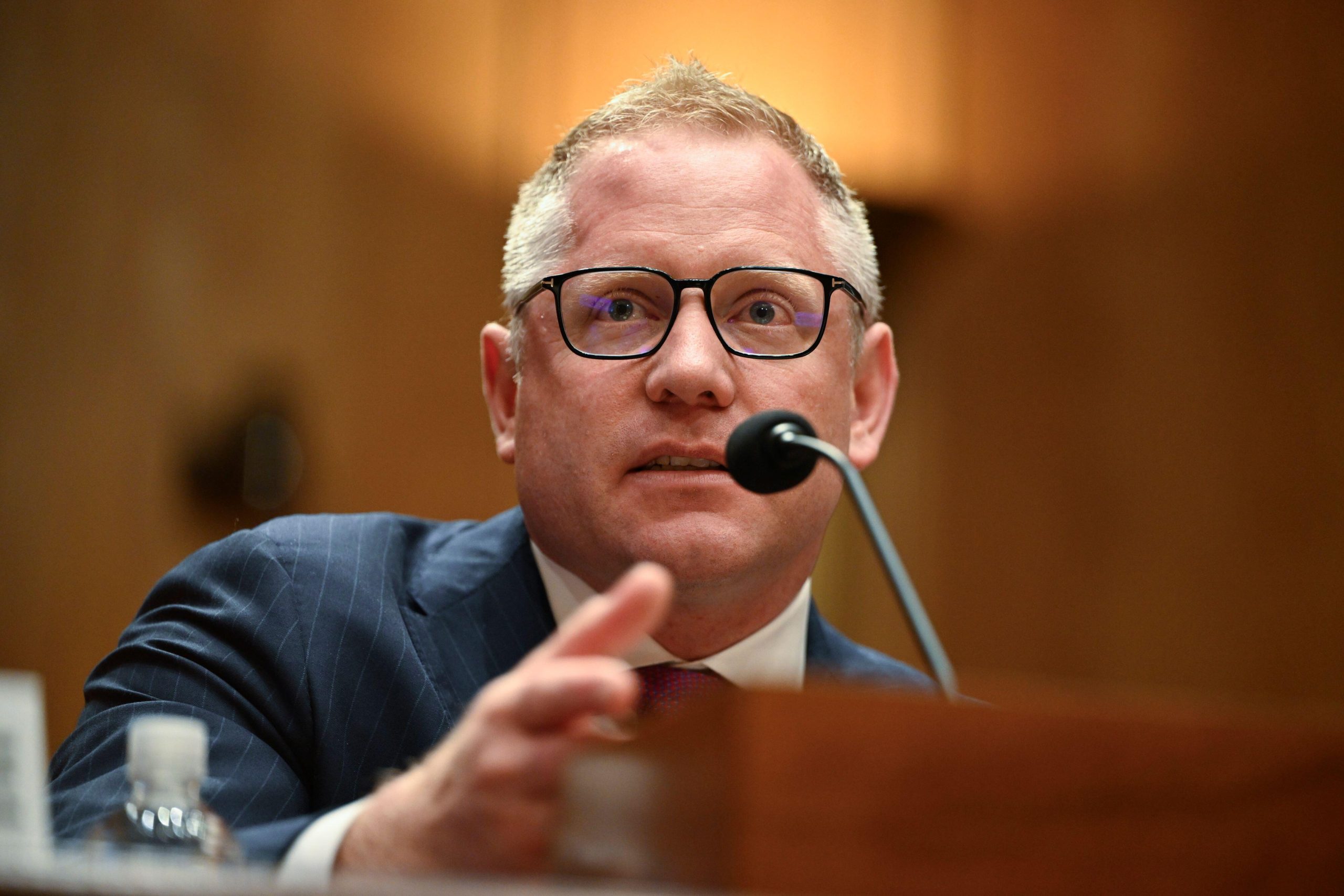
Sean Plankey, most recently the nominee for director of the Cybersecurity and Infrastructure Security Agency, is joining defense technology company UFORCE as its U.S. chief executive officer.
The London-based company created out of nine Ukrainian-based firms announced Plankey’s move Monday less than a month after he withdrew his nomination amid difficulties overcoming objections from senators who had placed a hold on it.
Plankey’s a cyber veteran of the first Trump administration but also had been serving as senior adviser on the Coast Guard at the Homeland Security Department, retiring from the Coast Guard this year.
UFORCE makes combat drones for air, land and sea and plans to have its first U.S.-made unmanned surface vessels hitting the water by this summer. The startup reportedly brought its valuation to $1 billion earlier this year.
“The United States and its allies are looking for defense technology partners that can move
quickly, innovate continuously and deliver systems already proven across theaters of
combat,” Plankey said in a statement. “UFORCE is uniquely positioned to meet that demand and we will do that by manufacturing these capabilities in America.”
Said Oleg Rogynskyy, co-founder and CEO of UFORCE: “Sean’s decision to join UFORCE reflects the strength of our platform and the growing recognition that the future of autonomous defense will be shaped by companies able to combine real combat validation with scalable Western deployment,”
CISA has gone without a permanent director for the entirety of the second Trump administration, and the president has yet to put forward a nominee for the position since Plankey’s withdrawal last month. DHS Secretary Markwayne Mullin took over as DHS secretary in late March.
More Scoops
CISA director pick Sean Plankey withdraws his nomination
Plankey had been waiting for more than a year, prompting the request to withdraw him as the one tapped to lead an agency now in further upheaval.