

Get our latest cybersecurity news first on Google.
The cyberattack hit gate systems at all three North Carolina ports, as officials continue investigating the breach and its effects on operations.
Listen to this article
0:00
Learn more. This feature uses an automated voice, which may result in occasional errors in pronunciation, tone, or sentiment.
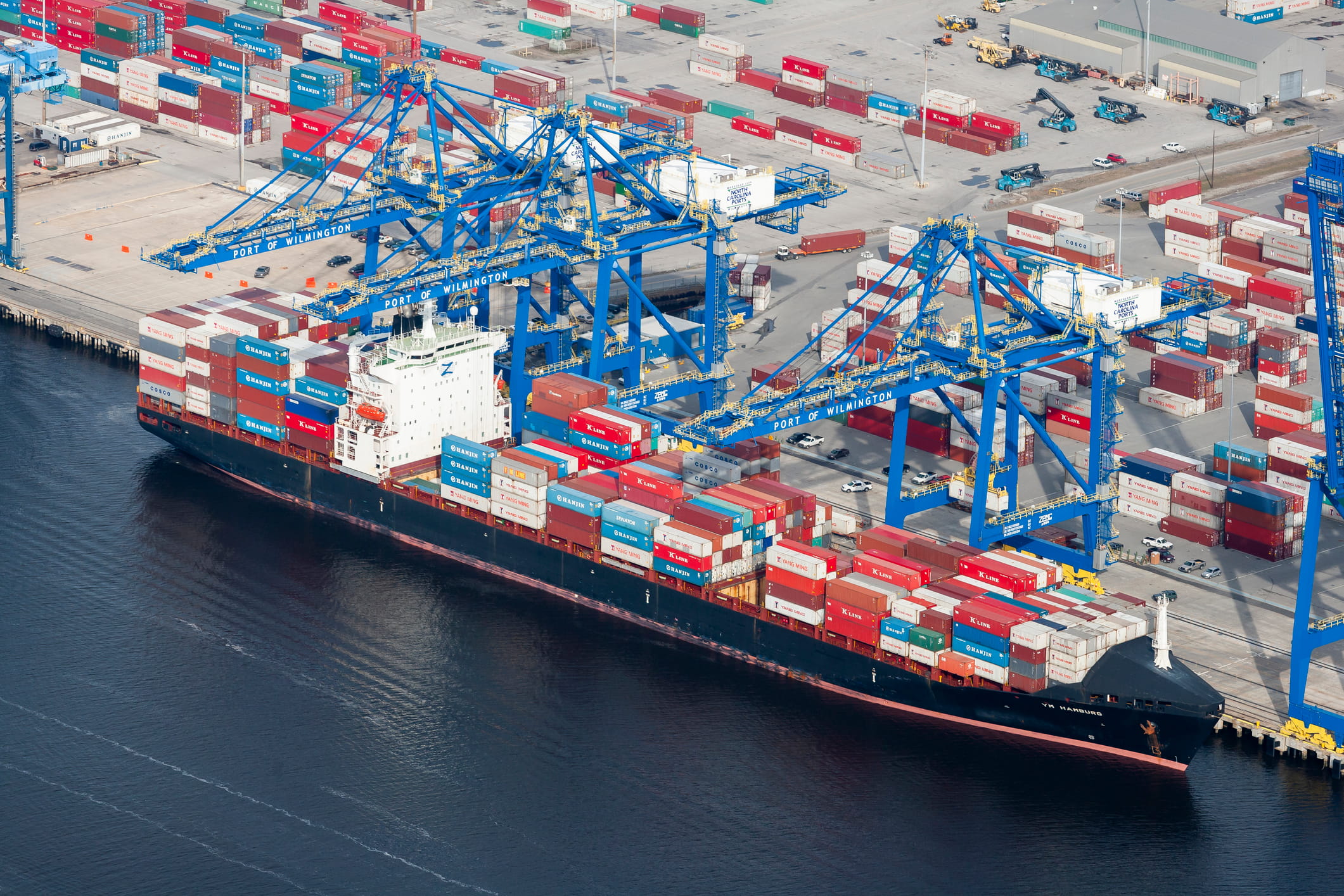
The U.S. Coast Guard said it is monitoring the aftermath of a cyberattack that disrupted gate operations at all three of North Carolina’s port facilities this week, though it offered few details as the investigation into the breach continues.
A Coast Guard spokesperson told CyberScoop that the branch’s IT unit was coordinating with partner agencies while conducting the investigation. A spokesperson for CISA did not respond to CyberScoop’s inquiry by press time.
The Coast Guard is one of several state and federal partners the North Carolina State Ports Authority brought in after discovering the attack on its systems earlier this week. The breach affected the Port of Wilmington, the Port of Morehead City and the Charlotte Inland Port, forcing the agency to delay gate openings and shift to manual processing while it worked to contain the intrusion.
A spokesperson for the ports authority told local media its IT team activated the agency’s cybersecurity contingency plan upon discovering the attack, as well as reaching out to state authorities for further support.
As of Friday morning, a notice on the ports website said a normal operating schedule was in effect while the IT teams continued their investigation. It has not disclosed the nature of the attack, which systems were affected, or whether vessel operations, cargo-handling equipment or rail services were disrupted.
North Carolina’s ports serve as a trade hub along the southeastern U.S., with Wilmington in particular functioning as a gateway for agricultural exports, retail goods and raw materials.
The North Carolina Ports Authority said it would continue posting updates on its website and pointed users toward its email alert service for further information. It did not provide an estimate of how much truck or cargo traffic has been affected by the disruption.
The incident adds to a recent string of cyberattacks against water and wastewater systems in the U.S., which also fall under the umbrella of “critical infrastructure.” While there has been no official attribution, experts have expressed confidence that Iranian actors are responsible for the attacks on water systems.
As of Friday morning, there has been no public information tying the port cyberattack to a specific actor.
More Scoops
Sean Plankey re-nominated to lead CISA
President Donald Trump resubmitted his nomination Tuesday after it stalled in the Senate last year.